
Merita Gashi senka
LMHCNew York · 9 yrs exp
New York LMHC - Anger and Family concerns
Family · Parenting · Anger · Self esteem · +8 more
Read profileCounselor listings come from BetterHelp. We will earn a commission, at no extra cost to you, if you buy through our links.
A Licensed Mental Health Counselor (LMHC) is a state-licensed clinician who has completed graduate training and supervised clinical experience to provide psychotherapy and counseling. Browse the verified LMHC therapists listed below to identify counselors who match your needs.
New York · 9 yrs exp
New York LMHC - Anger and Family concerns
Family · Parenting · Anger · Self esteem · +8 more
Read profile
Florida · 35 yrs exp
Florida LMHC - Relationships and Anger
Relationship · Trauma and abuse · Grief · Self esteem · +8 more
Read profile
Florida · 10 yrs exp
LMHC LPC - Anger and Mood Concerns
Stress, Anxiety · Anger · Self esteem · Depression · +5 more
Read profile
Florida · 8 yrs exp
LMHC - Stress and Anger support
Stress, Anxiety · Trauma and abuse · Parenting · Self esteem · +11 more
Read profile
Florida · 8 yrs exp
LMHC - Anxiety and Anger support
Stress, Anxiety · Trauma and abuse · Depression · Relationship · +5 more
Read profile
Florida · 10 yrs exp
LMHC in Florida - Anger and Mood concerns
Stress, Anxiety · Anger · Self esteem · Depression · +2 more
Read profile
Florida · 13 yrs exp
Licensed Mental Health Counselor - Stress and Anger
Stress, Anxiety · Self esteem · Career · Depression · +3 more
Read profile
Florida · 3 yrs exp
LMHC in Florida - Anger and trauma focus
Stress, Anxiety · Addictions · Trauma and abuse · Self esteem · +8 more
Read profile
Florida · 10 yrs exp
LMHC - Anger and Mood concerns
Stress, Anxiety · Addictions · Self esteem · Depression · +12 more
Read profile
Florida · 25 yrs exp
LMHC - Anger and Mood Concerns
Stress, Anxiety · Family · Grief · Self esteem · +12 more
Read profile
New York · 5 yrs exp
Licensed Mental Health Counselor - Anger and Mood concerns
Stress, Anxiety · LGBT · Trauma and abuse · Bipolar · +12 more
Read profile
Florida · 12 yrs exp
LMHC and LPC - Relationships and Anger
Relationship · Self esteem · Depression · Coping with life changes · +9 more
Read profile
Hawaii · 20 yrs exp
Licensed Mental Health Counselor - Anger and Relationships
Stress, Anxiety · Relationship · Trauma and abuse · Depression · +12 more
Read profile
Florida · 5 yrs exp
LMHC in Florida - Anger and Relationship concerns
Stress, Anxiety · Relationship · Trauma and abuse · Intimacy-related issues · +16 more
Read profile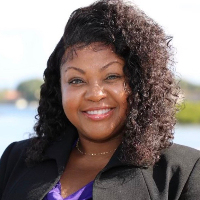
Florida · 9 yrs exp
Licensed Mental Health Counselor - Anger and Mood issues
Stress, Anxiety · Family · Parenting · Anger · +11 more
Read profile
Florida · 4 yrs exp
Licensed Mental Health Counselor - Anger and Trauma
Stress, Anxiety · Trauma and abuse · Self esteem · Depression · +8 more
Read profile
Florida · 10 yrs exp
Florida LMHC - Stress and Anger work
Stress, Anxiety · Self esteem · Career · Coping with life changes · +11 more
Read profile
Massachusetts · 30 yrs exp
LMFT and LMHC - Anger and Family concerns
Addictions · Family · Trauma and abuse · Grief · +16 more
Read profile
Florida · 18 yrs exp
LMHC in Florida - Anger and Mood concerns
Stress, Anxiety · Trauma and abuse · Self esteem · Bipolar · +8 more
Read profile
Minnesota · 5 yrs exp
Licensed counselor - Anger and mood concerns
Stress, Anxiety · Addictions · Grief · Self esteem · +10 more
Read profile
Massachusetts · 5 yrs exp
MA LMHC - Stress and Anger
Stress, Anxiety · Family · Self esteem · Coping with life changes · +4 more
Read profile
Iowa · 15 yrs exp
Iowa LMHC - Stress and Anger
Stress, Anxiety · Addictions · Trauma and abuse · Grief · +11 more
Read profile
Florida · 11 yrs exp
Licensed Mental Health Counselor - Anxiety and Anger
Stress, Anxiety · Relationship · Parenting · Self esteem · +11 more
Read profile
Florida · 30 yrs exp
LMHC and LMFT - Anger and relationships
Stress, Anxiety · Addictions · Trauma and abuse · Grief · +14 more
Read profileWhen you see the LMHC designation it indicates a clinician has met state requirements to practice as a mental health counselor. Those requirements typically include a master's or doctoral degree in counseling, psychology, or a related mental health field, a specified number of supervised clinical hours completed under an approved supervisor, and successful passage of a licensing exam. States set the exact standards and sometimes use different titles, so the credential signals formal education, supervised experience, and a license to provide psychotherapy within the licensing state's scope of practice.
Licensure also means the counselor has undergone background checks and agreed to follow professional standards and ethical rules set by the licensing board. These rules address topics like recordkeeping, client welfare, and professional conduct. Because licensing is regulated at the state level, you may find slight variations in the pathway to LMHC status depending on where a counselor practices. Knowing this helps you interpret profile details and the scope of practice for any individual counselor you consider.
The common pathway to LMHC status begins with graduate study. You will usually find that counselors holding LMHC credentials earned a master's degree or higher in counseling or a related discipline. Graduate programs emphasize counseling theory, psychopathology, human development, ethical practice, and assessment. After the degree, candidates complete a period of supervised clinical practice. This post-degree supervision is intended to bridge academic knowledge and real-world clinical work by providing oversight, feedback, and professional mentoring.
Most states require candidates to pass a standardized licensing exam that assesses clinical knowledge and ethical decision making. Once licensed, counselors must typically complete ongoing continuing education to keep their skills current and to meet license renewal requirements. These aspects - graduate training, supervised practice, examination, and continuing education - combine to form the foundation of the LMHC credential and the professional standards you can expect from a licensed counselor.
Understanding the role of an LMHC helps you choose the right type of professional for your concerns. LMHCs provide assessment, diagnosis, and psychotherapy for a range of mental health and emotional issues. You can work with an LMHC on conditions like anxiety, depression, trauma-related responses, anger concerns, grief, and relationship challenges. The scope of practice often includes individual therapy, group work, and in many settings collaboration with other professionals to coordinate care.
How an LMHC differs from other license types depends on local regulations and educational background. Psychologists often hold doctoral degrees and may conduct testing and assessments that require specialized training. Social workers often integrate systems-level perspectives and case management into their work, depending on licensure level. Medical professionals, such as psychiatrists and psychiatric nurse practitioners, have prescribing authority for medications. These distinctions influence what each clinician typically offers, but collaboration and shared referrals among license types are common. Because state rules vary, you should note the licensing state and scope of practice on any profile you review to understand specific boundaries and services.
LMHCs tend to specialize in many of the same clinical areas you may be seeking help for. You will find counselors who focus on anger, trauma, anxiety, mood disorders, relationship issues, family dynamics, grief, and life transitions. Some LMHCs emphasize work with specific populations, such as adolescents, veterans, couples, or families. Others describe an emphasis on workplace stress, parenting challenges, or behavioral concerns that affect daily functioning.
Approaches and methods vary. Some profiles list cognitive behavioral approaches, dialectical strategies, psychodynamic perspectives, mindfulness-based practices, or narrative methods. When a profile mentions a particular method it does not by itself indicate specialized certification; it indicates that the counselor uses or prefers that approach in their work. You might also see descriptions that say a counselor incorporates trauma-informed techniques or that they use particular experiential methods. If a specific approach matters to you, look for profiles that describe the counselor's focus and populations served so you can assess fit.
To verify an LMHC credential start with the licensing board in the state where the counselor is licensed. Most state boards offer online license lookup tools that let you confirm a license number, license status, expiration date, and whether any disciplinary actions are on record. You can use the counselor's name and licensed state to check these details. This public information helps you confirm that the credential is current and in good standing.
You can also ask a counselor to provide their license number and the issuing state so you can perform your own check. Review profile information for listed education, the licensing board that issued the LMHC credential, and descriptions of clinical focus. If you want more detail about a counselor's background, ask about the types of post-graduate supervised experience they completed and about continuing education topics they pursue. These conversations can give you a clearer sense of training and emphasis without assuming any particular certification beyond the LMHC license itself.
Choosing a counselor with an LMHC credential provides several practical benefits. The credential indicates graduate-level education, supervised clinical hours, and adherence to state professional standards. LMHCs often bring experience working with a wide range of emotional and behavioral concerns, and many describe areas of special interest or population focus on their profiles. This combination can help you find a counselor whose background aligns with the issues you want to address.
When you search for a match, consider several factors beyond the license. Start by reviewing focus areas and populations served to see who lists experience with issues like anger, trauma, or relationship conflict. Pay attention to the therapeutic approaches that appear on profiles - for example, if you prefer a problem-focused method you might look for counselors who list cognitive behavioral approaches. Language, cultural competence, and the age groups a counselor works with are important practical filters that influence fit.
Think about logistical questions that matter to you such as session format - whether the counselor offers in-person sessions in a comfortable environment or uses online sessions. Review information about fees and insurance participation where it is provided. When you reach out to a counselor, you can ask brief questions about their approach, the typical length of therapy, and how they define progress. Trust your sense of rapport during an initial conversation - a good working relationship often matters as much as technical approach. Taking these steps will help you narrow options to LMHCs whose profiles and descriptions align with what you need, so you can connect with a counselor who suits your goals.
Choosing a counselor is a personal process. Use the LMHC designation as one of several quality indicators while paying attention to specialties, approach descriptions, and the practical details that shape how you will work together. With thoughtful review and direct questions you can find a licensed mental health counselor whose background and style fit the support you are seeking.