
Alissa Bohmann
LPCWisconsin · 11 yrs exp
LPC in Wisconsin - Anger and Relationship work
Stress, Anxiety · Family · Trauma and abuse · Depression · +12 more
Read profileCounselor listings come from BetterHelp. We will earn a commission, at no extra cost to you, if you buy through our links.
You can compare therapists who list anger and frustration among their specialties across Wisconsin by reviewing profiles for focus areas, approaches, languages, and credentials.
Browse the profiles below to find professionals whose listed location and experience match what you need, and check each profile to confirm they are permitted to work with you where you live.
Wisconsin · 11 yrs exp
LPC in Wisconsin - Anger and Relationship work
Stress, Anxiety · Family · Trauma and abuse · Depression · +12 more
Read profile
Wisconsin · 35 yrs exp
Licensed Professional Counselor - Anger and Trauma
Addictions · LGBT · Trauma and abuse · Grief · +7 more
Read profile
Wisconsin · 22 yrs exp
LPC in Wisconsin - Anger and Life Stress
Stress, Anxiety · Addictions · Self esteem · Career · +6 more
Read profile
Wisconsin · 24 yrs exp
Licensed Professional Counselor - Anger and Relationship work
Stress, Anxiety · Relationship · Family · Grief · +10 more
Read profile
Wisconsin · 16 yrs exp
Licensed Clinical Social Worker - Anger and Life Changes
Stress, Anxiety · Grief · Self esteem · Depression · +12 more
Read profile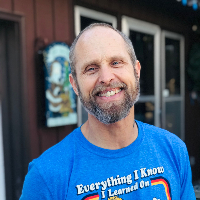
Wisconsin · 19 yrs exp
Licensed Clinical Social Worker - Addictions and Anger
Stress, Anxiety · Addictions · Intimacy-related issues · Parenting · +11 more
Read profile
Wisconsin · 5 yrs exp
Licensed Professional Counselor - Anger and Mood concerns
Stress, Anxiety · Self esteem · Depression · Addictions · +7 more
Read profile
Wisconsin · 9 yrs exp
Licensed Clinical Social Worker - Anger and Trauma
Stress, Anxiety · Trauma and abuse · Parenting · Depression · +8 more
Read profile
Wisconsin · 19 yrs exp
Licensed Clinical Social Worker - Trauma and Mood
Stress, Anxiety · Trauma and abuse · Anger · Self esteem · +1 more
Read profile
Wisconsin · 4 yrs exp
Licensed Clinical Social Worker - Anger and Mood Concerns
Stress, Anxiety · Depression · LGBT · Relationship · +8 more
Read profile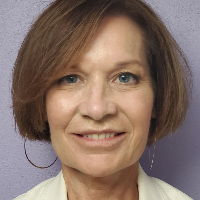
Wisconsin · 23 yrs exp
Wisconsin psychologist - anger and relationships
Stress, Anxiety · Family · Trauma and abuse · Grief · +9 more
Read profile
Wisconsin · 3 yrs exp
Licensed Professional Counselor - Anger and Addiction
Stress, Anxiety · Addictions · Trauma and abuse · Grief · +7 more
Read profile
Wisconsin · 4 yrs exp
Licensed Professional Counselor - Anger and Relationships
Stress, Anxiety · Relationship · Intimacy-related issues · Coping with life changes · +8 more
Read profile
Wisconsin · 15 yrs exp
Licensed Professional Counselor - Anger and Stress
Stress, Anxiety · Grief · Self esteem · Depression · +11 more
Read profile
Wisconsin · 5 yrs exp
Licensed Professional Counselor - Stress and Anger
Stress, Anxiety · Anger · Self esteem · Coping with life changes
Read profile
Wisconsin · 19 yrs exp
LCSW - Mood and relationship concerns
Stress, Anxiety · Addictions · LGBT · Trauma and abuse · +7 more
Read profile
Wisconsin · 8 yrs exp
Licensed Clinical Social Worker - Stress and Anger
Stress, Anxiety · Self esteem · Coping with life changes · Addictions · +12 more
Read profile
Wisconsin · 30 yrs exp
LPC and LCPC - anger and mood concerns
Stress, Anxiety · Trauma and abuse · Grief · Self esteem · +8 more
Read profile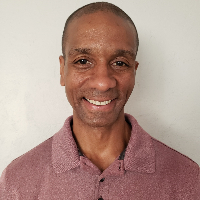
Wisconsin · 6 yrs exp
LPC counselor - Anger and relationship concerns
Stress, Anxiety · LGBT · Family · Trauma and abuse · +13 more
Read profile
Wisconsin · 12 yrs exp
Dr. Melissa Mielke-Metzger - Psychologist, Anger and Mood
Stress, Anxiety · Relationship · Self esteem · Depression · +7 more
Read profile
Wisconsin · 7 yrs exp
LPC in Wisconsin - Anger and Addiction
Stress, Anxiety · Addictions · Relationship · Trauma and abuse · +8 more
Read profile
Wisconsin · 12 yrs exp
LCSW - Anger and Trauma-focused care
Stress, Anxiety · Addictions · Family · Trauma and abuse · +15 more
Read profile
Wisconsin · 17 yrs exp
Licensed Professional Counselor - Anger and Mood concerns
Stress, Anxiety · Addictions · Bipolar · Depression · +14 more
Read profile
Wisconsin · 34 yrs exp
LCSW - Trauma and Mood Concerns
Stress, Anxiety · Relationship · Family · Trauma and abuse · +16 more
Read profileIf you are researching help for anger, you are likely noticing patterns that affect your daily life - persistent irritability, sudden outbursts, simmering resentment, or stress that spills into work and relationships. These experiences can feel isolating and confusing. You might be unsure whether your reactions are a passing phase, a response to pressures at work or home, or part of a longer-standing pattern. When you read profiles in this listed location, look for language that describes the specific problems you are facing so you can connect with someone who talks about issues similar to yours. Some profiles will mention workplace stress and conflict, others will highlight family or relationship tensions, and some will note work with anger-related irritability or impulse control concerns.
It is important to approach this process without blame. Therapists present different perspectives on what contributes to angry feelings - such as stress, sleep disruption, grief, or patterns learned over time - and you have the right to ask how a clinician frames those causes and what kinds of conversations they prioritize. If you feel at risk of harm or violent behavior, contact emergency services right away or reach out to a domestic-abuse helpline for immediate support. Profiles in this directory are a starting point; your safety needs may require more urgent steps than comparing options online.
When you look at a profile in the Wisconsin section, the listed location indicates where the clinician has chosen to be associated, but it does not by itself guarantee permission to provide care to every resident. You should confirm directly with the clinician whether they hold the right license or registration to work with you in your city or state. Degrees and licenses are different things. A PhD, PsyD, MD, MA, or MSW describes an academic degree. A degree alone does not establish current permission to practice. Licenses or registrations are the credentials that indicate a practitioner is authorized to offer clinical services in a jurisdiction. For example, a psychologist license, clinical social work license, or counseling license are the professional permissions you should verify.
On a profile you will often see both degree abbreviations and mention of professional credentials. Ask for clarification if a profile is not explicit. A helpful question is: "What license do you hold in Wisconsin and does that license allow you to work with someone in my county or zip code?" If the clinician offers online care, confirm whether their license covers telehealth services for residents of your state. Profiles may also list areas of interest or specialties; remember that a listed specialty means the clinician has chosen to indicate that interest, but it is not proof of certification or a particular training completion.
Comparing how clinicians describe their approach helps you match your expectations and preferences. Therapists may list methods they use or themes they commonly address, and you can treat those as conversation starters rather than fixed promises. Useful questions you can ask when you contact someone include: "How do you typically work with people who describe frequent irritability or anger outbursts?" and "What kinds of situations have you worked with that are similar to mine - for example workplace conflict, parenting challenges, or relationship resentment?" If a profile mentions a therapeutic approach you want to learn about, frame the question as "I see you list CBT, DBT, mindfulness, or EMDR among your approaches - how might those be applied in sessions focused on anger?" That phrasing recognizes the profile claim without assuming training or certification beyond the listing.
It is also reasonable to ask about the clinician's experience with demographic or cultural aspects that matter to you. You might ask: "Have you worked with people from my cultural background or who speak my language?" or "How do you approach issues related to identity, religion, or family expectations?" These questions help you understand whether a clinician's prior work likely aligns with your needs. Keep in mind that profiles summarize experience, so ask for examples of past work rather than assuming that a listed interest equals deep experience in every context.
If you are considering online sessions, there are specific practical and ethical topics to cover before a first appointment. Start by asking whether the clinician is permitted to work with residents of Wisconsin and whether their license covers the modality you prefer. Clarify how they handle scheduling, session length, and documentation so you know what to expect operationally. It is appropriate to ask how they manage emergencies or crises when working remotely - ask what procedures they use if you are in immediate danger or require urgent help, and where you should call locally for crisis support. Remember that online talk therapy is not a court-ordered anger-management course or a certificate program, and profiles do not indicate any legal compliance for court requirements.
Privacy and communication are practical concerns to settle. Ask what platform or method they use for sessions and how your information is handled and stored. If you need sessions in a language other than English, ask whether the clinician conducts therapy in that language or whether an interpreter is used. It is reasonable to discuss your preferred style of interaction - whether you want direct feedback, a skills-based focus, or a reflective, exploratory conversation - and to ask how the clinician typically structures early sessions to identify goals. These conversations let you and the clinician determine whether you are comfortable moving forward together.
When you scroll through profiles in this Wisconsin section, comparing focus areas helps you see who frames their work around issues similar to your own. Some profiles explicitly name anger, irritability, workplace conflict, or relationship strain as focus areas. Others may emphasize stress management, trauma-related anger, or impulse control issues. Compare how clinicians describe these topics and imagine how those descriptions fit with your situation. Language offerings matter too - if you prefer to speak in a language other than English, look for profiles that list that language and ask whether interactions will occur in that language rather than through translation.
Credentials on a profile can include academic degrees and professional licenses. Distinguish between the two by asking clinicians to explain both what their degree means and what their license allows them to do in Wisconsin. Also consider therapeutic style. Some clinicians describe a directive, skills-oriented approach while others emphasize a collaborative, exploratory style. Concrete ways to compare style include asking: "In a typical session, will you teach strategies I can practice during the week, or will you focus on exploring patterns and feelings?" and "How do you involve family members or partners, if at all, when anger affects relationships?" These questions point toward compatibility without assuming outcomes. Ultimately, the profiles on AngerCounselors.org give you starting points to identify clinicians whose listed location, focus, and language align with what you need. Follow up with direct conversations to confirm licensure, permission to work in your area, and whether their approach feels like a good match for you.
Addictions
2125 therapists
ADHD
1906 therapists
Bipolar
2024 therapists
Control Issues
1701 therapists
Depression
3489 therapists
Grief
2545 therapists
Guilt and Shame
2545 therapists
Impulsivity
1704 therapists
Intimacy Issues
1716 therapists
Isolation / Loneliness
2432 therapists
Midlife Crisis
1345 therapists
Mood Disorders
3008 therapists
Panic Disorder and Panic Attacks
1951 therapists
Post-Traumatic Stress
2297 therapists
Self Esteem
3357 therapists
Social Anxiety and Phobia
2458 therapists
Stress & Anxiety
3740 therapists
Trauma and Abuse
2762 therapists
Abandonment
1458 therapists
Attachment Issues
1591 therapists
Career
2065 therapists
Caregiver Issues and Stress
1668 therapists
Codependency
1274 therapists
Communication Problems
2834 therapists
Compassion Fatigue
1793 therapists
Coping with Life Changes
3082 therapists
Divorce
1710 therapists
Family
2737 therapists
Forgiveness
2262 therapists
Life Purpose
2510 therapists
Parenting
2341 therapists
Relationship
2957 therapists
Self-Love
2449 therapists
Workplace Issues
1792 therapists