
Jacqueline Oshiver
LMFT, LCSWNew Jersey · 40 yrs exp
LMFT and LCSW - Relationships and Anger
Stress, Anxiety · Relationship · Trauma and abuse · Grief · +13 more
Read profileCounselor listings come from BetterHelp. We will earn a commission, at no extra cost to you, if you buy through our links.
Explore profiles of therapists who list LGBT focus and anger or frustration among their specialties. Compare approaches, credentials, languages, and listed location to find professionals whose experience and style match what you want, then browse the profiles below.
New Jersey · 40 yrs exp
LMFT and LCSW - Relationships and Anger
Stress, Anxiety · Relationship · Trauma and abuse · Grief · +13 more
Read profile
Oregon · 15 yrs exp
Licensed Professional Counselor - Anger and Addiction
Stress, Anxiety · Addictions · Relationship · Trauma and abuse · +12 more
Read profile
Minnesota · 5 yrs exp
LICSW in Minnesota - Anger and Mood concerns
Stress, Anxiety · Self esteem · Depression · Coping with life changes · +7 more
Read profile
Texas · 10 yrs exp
Licensed Professional Counselor - Anger and Mood concerns
Stress, Anxiety · Family · Trauma and abuse · Bipolar · +15 more
Read profile
South Carolina · 3 yrs exp
LPC and LCMHC focusing on anger and mood
Stress, Anxiety · Addictions · Grief · Self esteem · +10 more
Read profile
Montana · 10 yrs exp
LCPC counselor - Anger and Anxiety
Stress, Anxiety · Trauma and abuse · Grief · Self esteem · +13 more
Read profile
Pennsylvania · 9 yrs exp
LPC counselor - Anger and mood concerns
Stress, Anxiety · Depression · Coping with life changes · LGBT · +7 more
Read profile
Georgia · 14 yrs exp
Licensed Professional Counselor - Anger and Relationships
Family · Grief · Parenting · Self esteem · +12 more
Read profile
Pennsylvania · 21 yrs exp
Licensed Professional Counselor - Anger and Mood concerns
Stress, Anxiety · Addictions · Relationship · Bipolar · +8 more
Read profile
Pennsylvania · 12 yrs exp
Licensed Professional Counselor - Anger and Stress
Stress, Anxiety · Grief · Depression · Coping with life changes · +12 more
Read profile
Florida · 25 yrs exp
LMHC - Anger and Mood Concerns
Stress, Anxiety · Family · Grief · Self esteem · +12 more
Read profile
North Carolina · 25 yrs exp
Licensed counselor - Anger and anxiety focus
Stress, Anxiety · Addictions · Family · Trauma and abuse · +11 more
Read profile
New York · 5 yrs exp
Licensed Mental Health Counselor - Anger and Mood concerns
Stress, Anxiety · LGBT · Trauma and abuse · Bipolar · +12 more
Read profile
Florida · 12 yrs exp
LMHC and LPC - Relationships and Anger
Relationship · Self esteem · Depression · Coping with life changes · +9 more
Read profile
Florida · 5 yrs exp
LMHC in Florida - Anger and Relationship concerns
Stress, Anxiety · Relationship · Trauma and abuse · Intimacy-related issues · +16 more
Read profile
Texas · 16 yrs exp
LPC in Texas and Arkansas - Anger and mood concerns
Stress, Anxiety · Trauma and abuse · Coping with life changes · ADHD · +14 more
Read profile
Wyoming · 17 yrs exp
Licensed Professional Counselor - Anger and Stress
Stress, Anxiety · Addictions · Trauma and abuse · Self esteem · +15 more
Read profile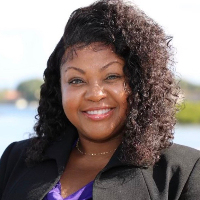
Florida · 9 yrs exp
Licensed Mental Health Counselor - Anger and Mood issues
Stress, Anxiety · Family · Parenting · Anger · +11 more
Read profile
Illinois · 22 yrs exp
Illinois LCPC - Stress and Relationship work
Stress, Anxiety · Relationship · Family · Intimacy-related issues · +11 more
Read profile
Connecticut · 5 yrs exp
Licensed Professional Counselor - stress and relationships
Stress, Anxiety · Relationship · Self esteem · Depression · +13 more
Read profile
Kansas · 35 yrs exp
Licensed Clinical MFT - Relationships and Anger
Relationship · Family · Intimacy-related issues · Self esteem · +11 more
Read profile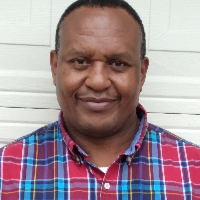
Texas · 7 yrs exp
Licensed Professional Counselor - Anger and Addiction
Stress, Anxiety · Addictions · Relationship · Sleeping · +12 more
Read profile
Missouri · 5 yrs exp
Licensed Professional Counselor - Stress and Anger
Stress, Anxiety · LGBT · Trauma and abuse · Grief · +11 more
Read profile
Florida · 10 yrs exp
Florida LMHC - Stress and Anger work
Stress, Anxiety · Self esteem · Career · Coping with life changes · +11 more
Read profileIf you are searching for help because you notice irritability, sudden outbursts, simmering resentment, or stress that affects your work and relationships, you are not alone. Anger and frustration can appear as short temper, repeated arguments, difficulty concentrating, or withdrawing after conflict. Those responses may feel confusing or shameful, but they are signals that something in your current circumstances or coping resources needs attention. You should feel empowered to look for a therapist who understands the kinds of situations that trigger your responses and who can discuss safe ways to manage intense emotions.
When anger affects your job performance or your closest relationships, addressing it does not mean blaming you for feeling upset. It means exploring patterns - what comes before an outburst, how long strong feelings linger, and how you recover. Therapy conversations can help you identify those patterns and practical strategies to reduce the immediate disruption anger causes in daily life. Keep in mind that a profile showing a listed topic such as anger is not evidence of a particular certification or guaranteed outcome. Use your initial contact and intake to clarify how a therapist frames anger-related work and whether their focus aligns with your goals.
If a therapist lists LGBT among their focus areas, that signals they intend to work with sexual and gender minority clients. For many people, experiences related to sexual orientation or gender identity - including discrimination, rejection, microaggressions, and identity-related stress - can intersect with feelings of anger and frustration. For others, anger may stem from unrelated factors such as workplace stress, family dynamics, or mental health conditions. The presence of LGBT focus in a profile does not establish a causal link between identity and anger. Instead, it indicates that a therapist may be familiar with contexts often faced by LGBT clients and how those contexts can influence emotional responses.
When you review profiles you will want to learn whether a therapist speaks about minority stress, coming out, relationship dynamics within LGBT communities, or other issues that feel relevant to you. Therapists who list LGBT among their focuses may describe approaches and areas of experience differently. Some may note work with relationship tension, others with societal stressors. None of this implies a single path or predictable outcome - rather, it highlights avenues you can explore in conversation with a therapist to see whether their perspective and language fit what you are looking for.
Prepare concrete questions to use when you contact someone whose profile interests you. Ask how they typically work with anger and frustration, and request examples of strategies they discuss with clients. If a therapist mentions specific approaches, you can say something like, "I see you list cognitive-behavioral approaches and EMDR among your approaches - can you describe how you might use those with someone whose main concern is irritability or resentment?" That phrasing acknowledges that their profile lists approaches without assuming training or certification.
Make sure you confirm credentials and permission to practice in your location. Distinguish degrees from licenses by asking, "Do you hold a current license to practice in my state?" Degrees such as PhD, PsyD, MD, MA, or MSW reflect academic training but do not by themselves demonstrate current licensure. Licenses and registrations are the indicators that a clinician is authorized to practice; ask for the specific credential and verify it with the relevant board if that matters to you. You can also ask about experience working with people who present with irritability, outbursts, or anger connected to identity-related stress, and whether they work with adults only or also with adolescents, couples, or families. A listed topic does not automatically mean a therapist treats children, couples, or families, so clarify scope directly.
If you plan to work remotely, have a conversation about boundaries, technology, and safety. Ask whether the therapist is permitted to provide services to people in your state or country, and how they document consent for online work. Clarify what you should do in a crisis, because remote therapy is not a substitute for emergency services. If you or someone else is in immediate danger, call emergency services or contact a domestic-abuse helpline right away. Discuss how the therapist handles situations involving safety concerns, including steps they take to refer you to local resources or to coordinate care when necessary.
It is helpful to ask about the therapist's approach to privacy and records in plain terms - for example, how session notes are stored and who can access them. You may also want to know about session length, communication outside sessions, and expectations for cancellations or missed appointments. Remember that online therapy is not a court-ordered anger management course or certificate program, and if you need documentation for legal or court purposes you should discuss that specifically with a clinician to understand what they do and do not provide.
When you compare profiles, look beyond a single label and read how therapists describe their work. Some profiles will list focus areas such as relationship conflict, trauma-related anger, workplace stress, or identity-related concerns. Others will note languages spoken, which can be important if you prefer to speak in a language other than English. Use listed location to determine whether a clinician is based where you are or to verify local licensing requirements. Profiles often include both academic degrees and professional credentials; ask about both and confirm current authorization to practice in your jurisdiction before beginning work.
Therapeutic style is another point of comparison. Some therapists describe a direct, skills-based approach while others emphasize exploration of underlying emotions or narrative elements. Neither style is inherently better; consider which tends to help you feel understood and motivated to change patterns that contribute to anger and frustration. Concrete questions include asking for examples of goals they set with clients, how they track progress, and what a typical session might involve for someone presenting with irritability or repeated arguments. If a profile lists certain approaches, you can invite the therapist to explain how those approaches might look in sessions rather than assuming every clinician uses them the same way.
Ultimately, selecting a therapist is a personal decision. Use profiles to narrow your options, prepare targeted questions for initial conversations, and verify credentials and permission to practice in your location. If you are ever in immediate danger, contact emergency services or a domestic-abuse helpline. Otherwise, thoughtful comparison and clear communication can help you find a person whose experience, language skills, and therapeutic style align with the work you want to do around anger and frustration within an LGBT-focused context.
Alabama
63 therapists
Alaska
9 therapists
Arizona
59 therapists
Arkansas
37 therapists
California
318 therapists
Colorado
72 therapists
Connecticut
38 therapists
Delaware
5 therapists
District of Columbia
8 therapists
Florida
448 therapists
Georgia
113 therapists
Hawaii
12 therapists
Idaho
24 therapists
Illinois
137 therapists
Indiana
80 therapists
Iowa
28 therapists
Kansas
37 therapists
Kentucky
50 therapists
Louisiana
90 therapists
Maine
20 therapists
Maryland
70 therapists
Massachusetts
68 therapists
Michigan
167 therapists
Minnesota
62 therapists
Mississippi
50 therapists
Missouri
104 therapists
Montana
30 therapists
Nebraska
16 therapists
Nevada
21 therapists
New Hampshire
9 therapists
New Jersey
86 therapists
New Mexico
22 therapists
New York
201 therapists
North Carolina
183 therapists
North Dakota
2 therapists
Ohio
122 therapists
Oklahoma
68 therapists
Oregon
27 therapists
Pennsylvania
147 therapists
Rhode Island
10 therapists
South Carolina
66 therapists
South Dakota
13 therapists
Tennessee
64 therapists
Texas
379 therapists
Utah
36 therapists
Vermont
11 therapists
Virginia
84 therapists
Washington
52 therapists
West Virginia
14 therapists
Wisconsin
60 therapists
Wyoming
17 therapists